
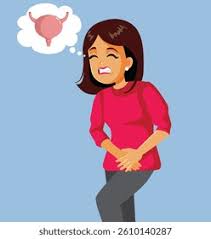
Urinary incontinence is the involuntary leakage of urine. It is a common condition that can range from occasional minor leaks to a complete loss of bladder control. While it is more common with age, it is not an inevitable part of aging and is often treatable.
1. Types and Causes Understanding the cause often starts with identifying the type of incontinence:
- Stress Incontinence: Leakage occurs when pressure is put on the bladder (coughing, sneezing, laughing, or heavy lifting).
- Causes: Weakened pelvic floor muscles due to pregnancy, childbirth, menopause, or prostate surgery.
- Urge Incontinence: A sudden, intense need to urinate followed by an involuntary loss of urine.
- Causes: Overactive bladder, infections (UTIs), or neurological conditions like Parkinson's, MS, or stroke.
- Overflow Incontinence: Frequent or constant dribbling because the bladder doesn't empty completely.
- Causes: Blockages (enlarged prostate, tumors, kidney stones) or nerve damage from diabetes.
- Functional Incontinence: Physical or mental impairment prevents you from reaching the toilet in time.
- Causes: Severe arthritis, dementia, or mobility issues.
2. Common Symptoms The primary symptom is the accidental release of urine, but it may manifest in different ways:
- Leaking during physical activity or sudden movements.
- Frequent Urgency: Feeling like you must go immediately, even if the bladder isn't full.
- Nocturia: Waking up more than twice a night to urinate.
- Bedwetting: Involuntary urination during sleep.
- Incomplete Emptying: Feeling like your bladder is still full after finishing.
3. Care and Management Most cases can be improved with lifestyle adjustments or medical intervention: Lifestyle & Behavioral Changes
- Pelvic Floor Exercises (Kegels): Strengthening the muscles that support the bladder.
- Bladder Training: Gradually increasing the time between bathroom visits to "teach" the bladder to hold more.
- Timed Voiding: Going to the bathroom on a set schedule (e.g., every 2 hours) rather than waiting for an urge.
- Fluid Management: Limiting caffeine, alcohol, and acidic drinks, and reducing fluid intake 2–3 hours before bed.
Practical Support
- Absorbent Products: Using pads, shields, or protective underwear specifically designed for urine (rather than menstrual pads).
- Skin Care: Using barrier creams or specialized cleaners to prevent skin irritation and rashes from moisture.
4. Effects on Quality of Life Incontinence is often more than a physical issue; it carries a significant "hidden" burden:
- Emotional Toll: Many people experience embarrassment, shame, and a loss of self-esteem, which can lead to anxiety or depression.
- Social Isolation: Fear of accidents may cause individuals to withdraw from social events, travel, or physical activities.
- Workplace Impact: Frequent bathroom breaks or worry about odor can affect focus and professional confidence.
- Physical Health: Constant moisture can lead to skin infections (cellulitis) or recurring UTIs. In older adults, rushing to the bathroom increases the risk of falls and fractures.
> Note: If you experience a sudden loss of bladder control along with weakness, numbness, or difficulty speaking, seek emergency medical care immediately, as these can be signs of a neurological event.
> Would you like me to create a step-by-step guide on how to perform pelvic floor exercises (Kegels) correctly?




No comments yet. Start a constructive discussion.