
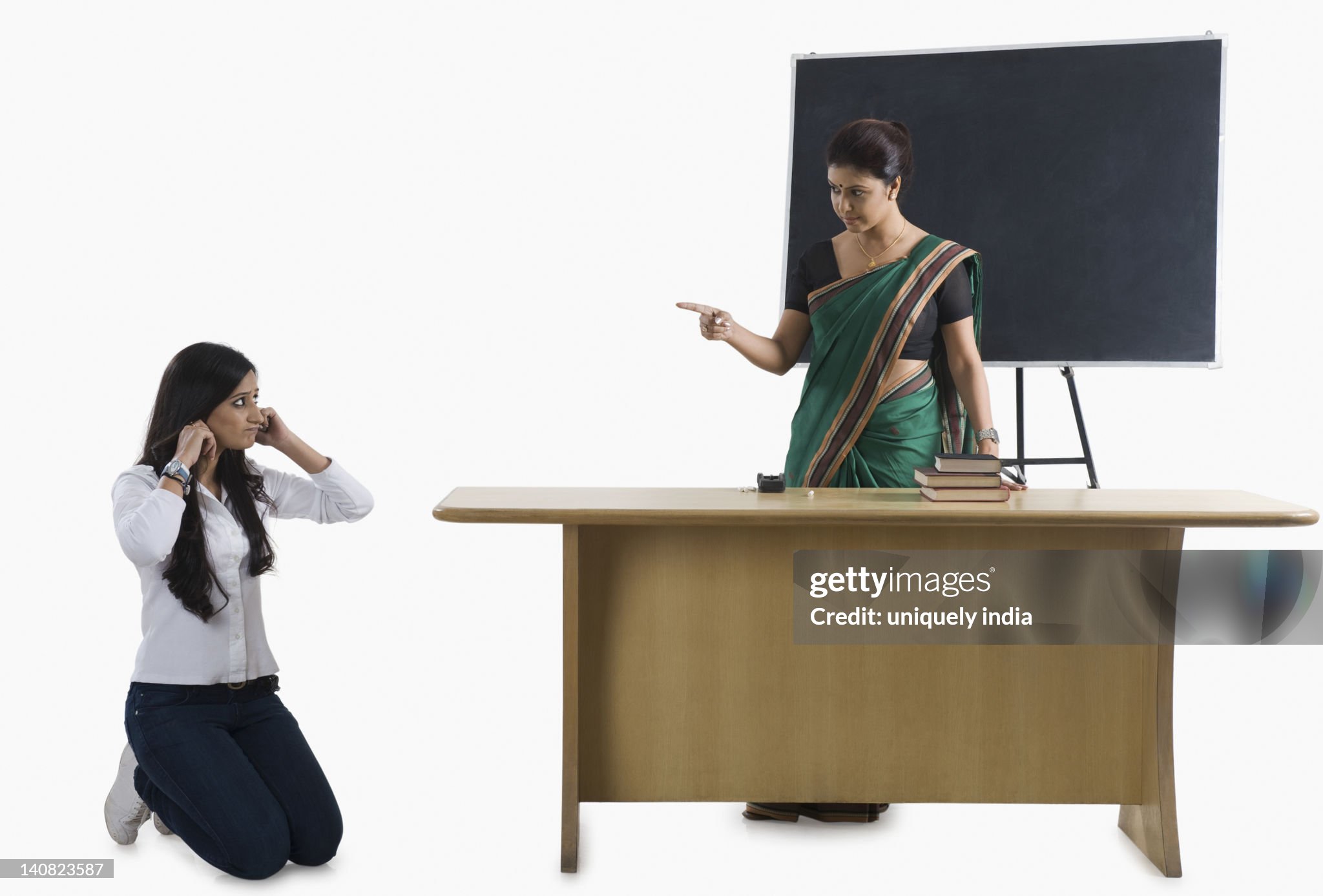
"Curing" indiscipline in schools isn't about finding a single "medicine"; it's about shifting from a reactive approach (punishing bad behavior) to a proactive one (building a culture where students want to behave). Based on current educational research and effective school management practices, here is how indiscipline can be addressed: 1. Establish "Living" Rules and Expectations Vague rules like "behave yourself" don't work. Students need specific, actionable guidelines.
- Involve Students: When students help create the "Classroom Contract," they are more likely to respect it because they feel a sense of ownership.
- Be Specific: Instead of "don't be disruptive," use "raise your hand to speak" or "respect others' personal space."
- Visibility: Post these rules in common areas so they remain a constant visual reminder.
2. Shift to "Restorative" Rather than Just Punitive Justice Traditional punishment (like suspension) often alienates students without teaching them why their behavior was wrong.
- Logical Consequences: If a student draws on a desk, the consequence should be cleaning the desk, not just sitting in detention. The punishment should "fit the crime."
- Restorative Circles: Allow the person who caused harm and the person affected to talk. This builds empathy and helps the offender understand the real-world impact of their actions.
3. Strengthen Teacher-Student Relationships Most indiscipline stems from a feeling of disconnection or a lack of respect.
- Proximity Control: Often, just standing near a restless student is enough to quiet them down without saying a word.
- The "2x10" Strategy: Spend 2 minutes a day for 10 days talking to a "difficult" student about anything except school. Building this rapport often ends the cycle of defiance.
- Consistency: Students respect fairness. If a "star student" and a "troubled student" break the same rule, the consequence must be the same.
4. Improve Lesson Engagement Boredom is a primary driver of indiscipline. When students are passive for too long, they find their own ways to stay active.
- Active Learning: Incorporate movement, group work, and hands-on projects.
- Relevance: Connect lessons to real-world problems. A student who sees the why behind a math problem is less likely to act out than one who feels they are wasting their time.
5. Create a Strong School-Home Partnership Discipline shouldn't stop at the school gate.
- Positive Phone Calls: Don't only call parents when something is wrong. Calling home to report a good day builds trust, making parents much more supportive if a problem arises later.
- Parent Education: Schools can host workshops on positive discipline techniques at home so that students receive a consistent message from both environments.
6. Address Underlying Issues Often, what looks like "bad behavior" is actually:
- Learning Gaps: A student may act out to hide the fact that they can't read the material.
- Social-Emotional Needs: Issues at home or bullying can lead to aggression. Providing access to guidance counselors is essential for a long-term "cure."
Would you like me to help you draft a sample "Code of Conduct" or a list of classroom rules that follow these principles?








No comments yet. Start a constructive discussion.