
Title: Empowering Rural Communities: Overcoming Challenges and Building Resilience
In the heart of our country, away from the bustling cities and urban landscapes, lie the vibrant yet often overlooked rural communities. These communities, characterized by their unique social fabric and close-knit relationships, face a myriad of challenges that shape their daily lives and opportunities for growth. Today, we delve into the world of rural communities, exploring their economic status, infrastructure, education, healthcare, social structure, living conditions, and the challenges they encounter.
Economic Status: Rural communities predominantly rely on agriculture, livestock farming, and small-scale trading for sustenance. However, limited access to formal jobs and financial services often result in lower income levels compared to urban areas, posing significant economic challenges for residents.
Infrastructure: Basic infrastructure in rural areas is often underdeveloped, with poor road networks, limited access to electricity and clean water, and weak internet connectivity hindering progress and connectivity. These factors can also impede access to markets, limiting economic growth opportunities.
Education: Education plays a crucial role in the development of rural communities, yet many face obstacles such as fewer schools, limited educational resources, and higher dropout rates, particularly among girls. The lack of access to higher education further exacerbates the disparity in educational opportunities.
Healthcare: Access to healthcare services is a critical issue in rural communities, with clinics and hospitals often far away or lacking essential resources. The shortage of trained healthcare professionals and limited services increase the risk of preventable diseases, highlighting the urgent need for improved healthcare infrastructure.
Social Structure: Strong community ties and traditional leadership systems form the backbone of rural communities, shaping their cultural practices and daily interactions. However, traditional gender roles and limited access to resources can perpetuate inequalities within these communities.
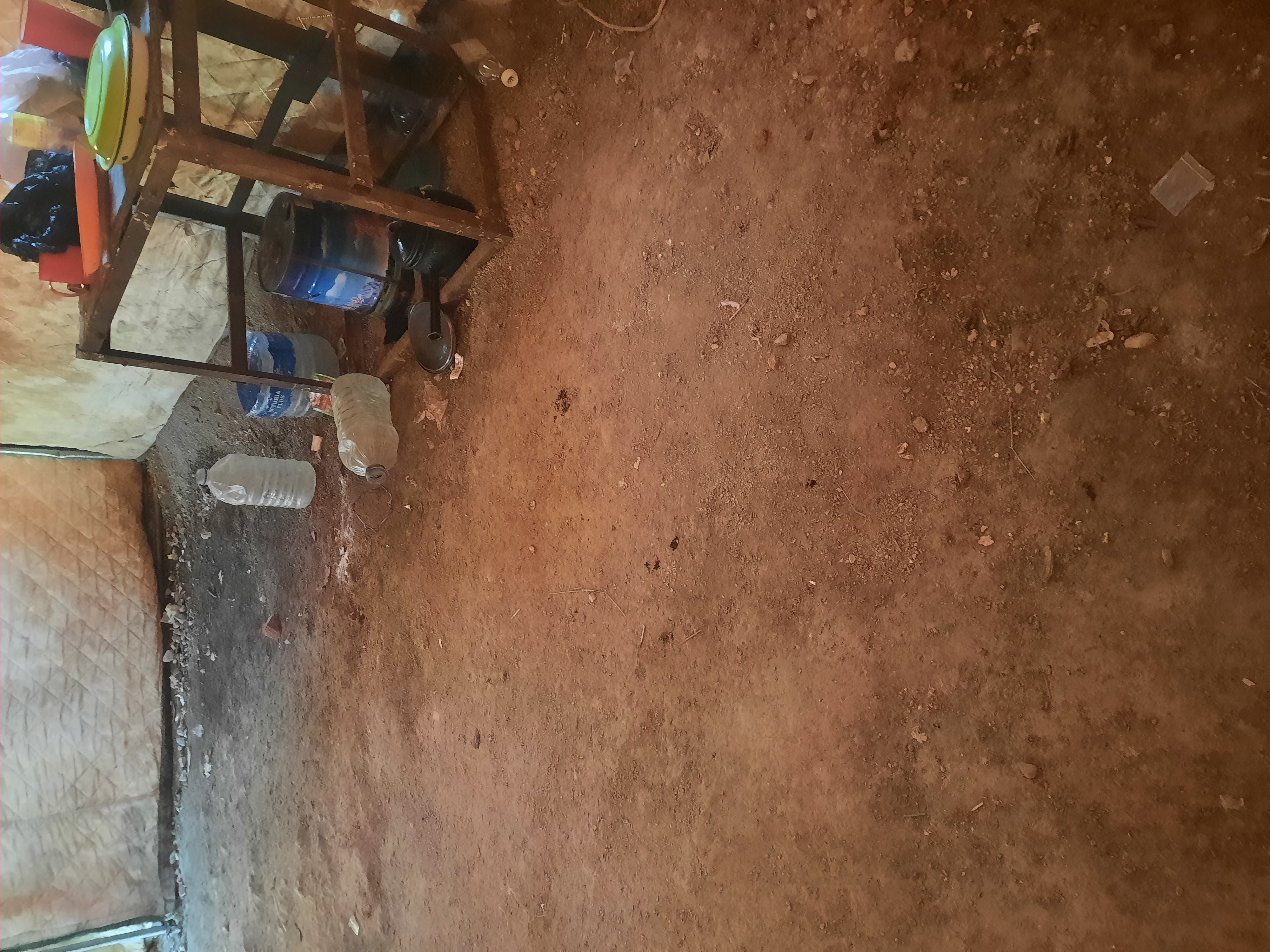
Living Conditions: Basic housing, limited sanitation facilities, and dependence on natural resources characterize the living conditions in rural areas. The reliance on local materials for housing construction and the scarcity of sanitation facilities underscore the need for improved infrastructure and sustainable development practices.
Challenges: Rural communities face a multitude of challenges, including poverty, unemployment, climate change impacts such as droughts and floods, youth migration to cities in search of better opportunities, and limited access to government services. Addressing these challenges requires a holistic approach that empowers communities and fosters resilience.
In conclusion, rural communities are vibrant hubs of culture and tradition, yet they grapple with complex challenges that impact their well-being and development. By understanding the unique dynamics of rural life and working towards sustainable solutions, we can empower these communities to thrive and create a brighter future for generations to come. Together, let us champion the resilience and potential of rural communities, ensuring that no one is left behind in our collective journey towards progress and prosperity. #RuralCommunity #Empowerment #SustainableDevelopment #CommunityResilience
Join the conversation: How can we support and uplift rural communities in their journey towards sustainable development and resilience? Share your thoughts and ideas below!




No comments yet. Start a constructive discussion.